System Architecture
This is a placeholder webpage for the upcoming shearelectronics.com website. There are several pages, and navigation is provided by the link bar at the top of each page.
You can find many git repositories at
github.com, but we do not have any public git
repositories (as of 2023 December 28).
You can clone a repository with git clone username@github.com/reponame.git.
Here is some text to provide a quick example of valid markdown syntax.
Hyperfine encoders. It feels better. But that’s because it is better.
- scripts: Various scripts for Unix-like systems.
Lightfader mainbar gives you high-precision vision.
- fmctutorial: an in-depth tutorial for the Rubik’s cube Fewest Moves Challenge, or FMC.
Lightfader minibars.
Here are some scripts and lecture notes for some courses at the University of Luxembourg (2010-2023).
- mathsoftware: a full course on LaTeX and SageMath.
Anodized aluminum with lasermarked artwork.
- Platonic solids in TikZ.
These sidepanels are striking. Or stunning. Or something.
- Platonic solids in TikZ.
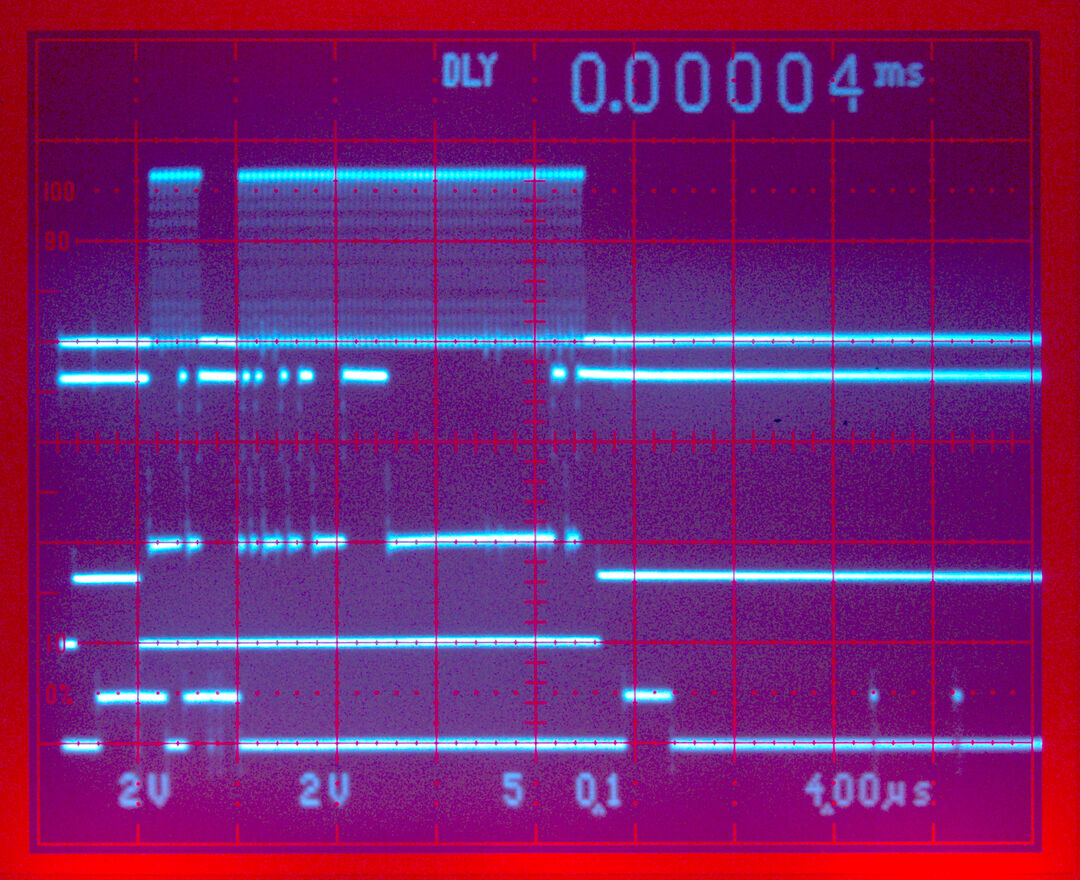
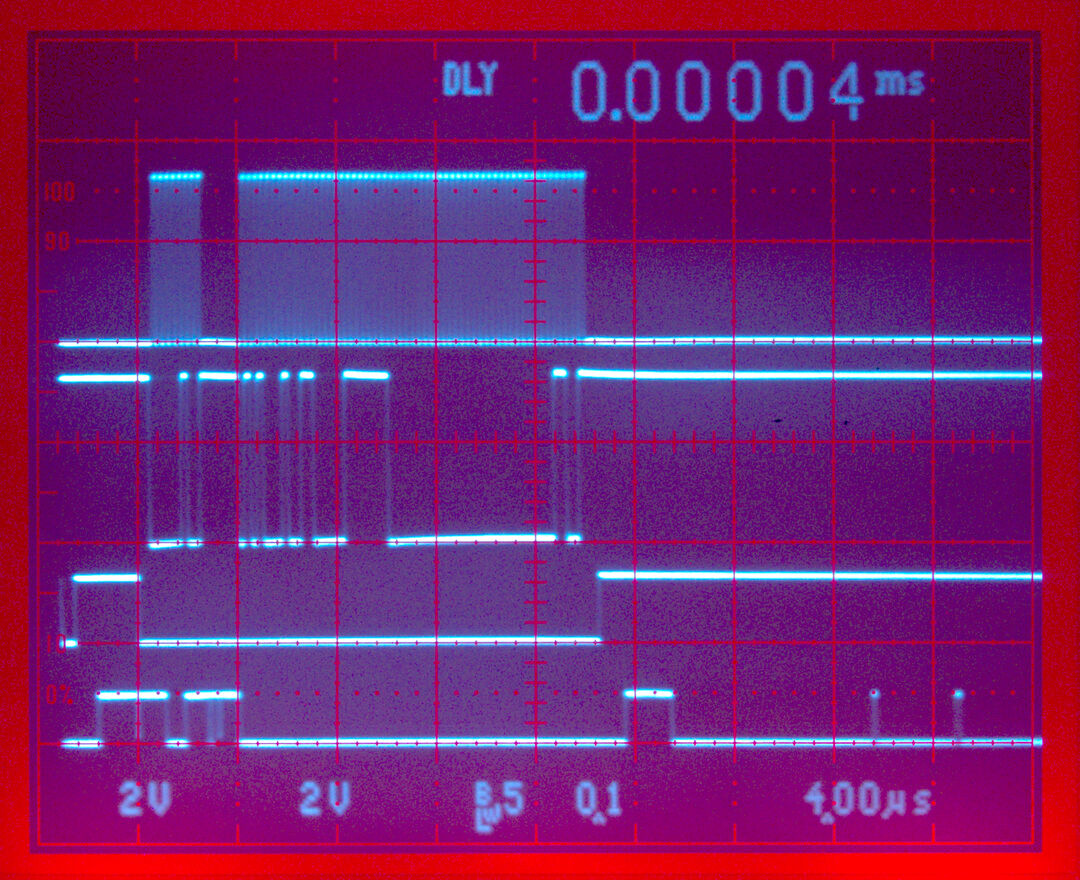
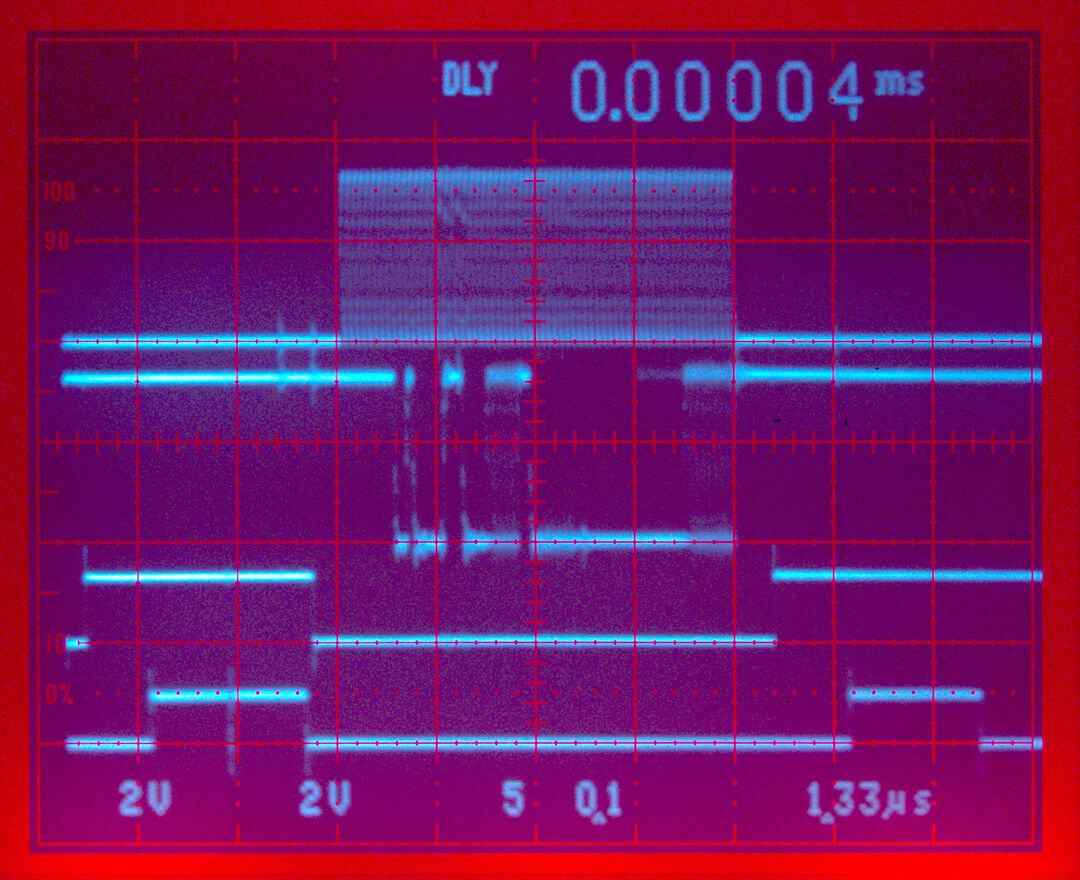
VCBUS. You’ll never notice it. And that’s why it’s so brilliant.
The Relic is the first analog synth with 8 fully independent voice core processors. This dream is made possible by VCBUS: a revolutionary new protocol with near-zero latency and a zero-glitch transport algorithm.
Many synthesizers are advertised with the idea of “several independent voices”. But in most cases, this claim is only 50% true. In nearly every analog synthesizer, the analog sector is a true distributed system with several independent voice cores, but the digital sector is really just a single DSP chip controlling everything.
The Relic is different. In the Relic, each voice core has a dedicated digital processor that is fully independent. From a technical standpoint, this is a major advantage, but it does create one “challenge”: How can the main control processor communicate with the voice core processors, without disrupting their independence?
VCBUS is our digital bus protocol that allows the mcp (main control processor) to communicate with each vcp (voice core processor). […]
More text here.
System Architecture
Of course, the Relic offers a raw sound quality that can easily compete with the highest quality analog synthesizers ever built. The Relic can stand up to all the great synthesizers of the analog era. But the Relic can also stand up to all the great synthesizers of the future. The main reason for this is that its system architecture is a magnificent achievement of engineering.
System Architecture
The Relic frontpanel is a cross between two worlds. It fuses the classic touch of high-end analog instruments with the power and flexibility of a high-performance digital mod system. The Relic features 8 hyperfine encoders, and a high-precision lightfader bar. Every encoder has a dedicated lightfader minibar for instant readability.
Our encoders are much more precise than traditional analog potentiometers. And they feel as smooth as old-school analog pots felt when they were brand new.
Every element of the Relic frontpanel is extremely responsive.
Overall, the hyperfine encoders and lightfader system create an interface which
is smoother and more responsive than anything we’ve ever seen.
Optical tracking with dedicated analog signal-conditioning ASICs.
Zero-drift graycode accumulators thanks to a high-speed digital bus.
We could go on forever with technical details.
But the bottom line is that it just feels really, really, good.
The Relic frontpanel includes 19 linear non-contacting magnetic reed switches with digitally-controlled haptic feedback. We’re not kidding when we say that these switches might be 10 times smoother than the switches on any other synthesizer.
Everything else is fast, too. Any possible mod routing can be immediately configured with just 4 clicks: the entire process takes less than 2.6 seconds with one hand.
The Relic is a breathtaking machine. Every time we look at it, we literally stop breathing (for a small amount of time). And it’s probably because we’ve never seen anything like it. Pretty much every feature of the Relic frontpanel has never been implemented in any other analog synthesizer before this one.
To maximize the value of all this new technology, we wanted to make sure that the underlying system achieves the best possible performance in every scenario. So we built a custom operating system from scratch. The Relic operating system is uniquely optimized to power an analog synthesizer with a high-speed digital control system and a large number of fully independent voice cores.
The Relic operating system allows incoming events to be processed much faster than a traditional operating system. In many cases, the system response latency is less than 1.6 milliseconds: at least 10 times faster than you can think. All of this means that the Relic is remarkably fast to operate. Because it’s not good enough to create a great sound. You need to create a great sound, fast.
A different kind of patch memory
- Platonic solids in TikZ.